léon carr


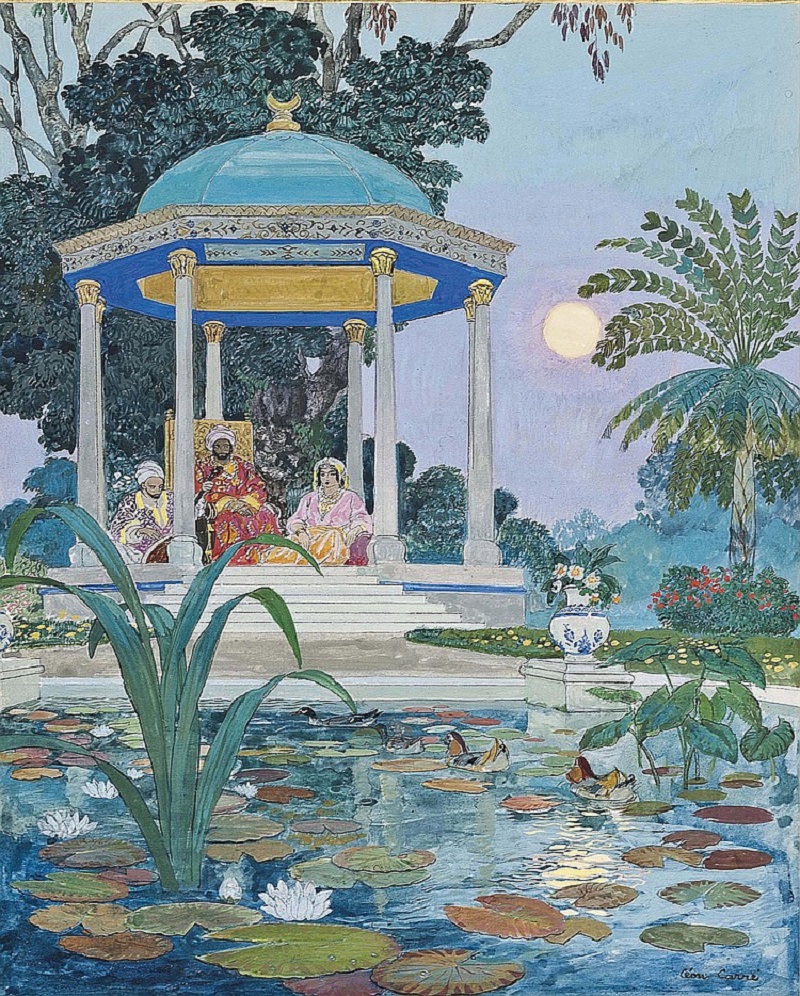
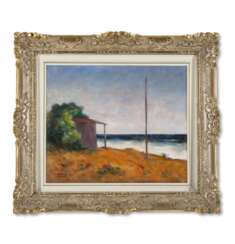
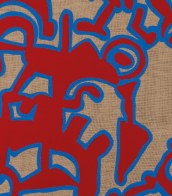
Léon Georges Jean-Baptiste Carré was a French Orientalist painter and illustrator known for his contribution to the Fauvist movement.
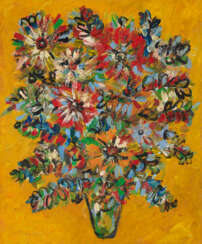
Carré's style was characterized by bright colours and bold strokes. He sought to express his emotions and convey the essence of the subject through intense and unnatural colours. Carré's paintings often depicted landscapes, still lifes and portraits.
Léon Carré also experimented with other artistic movements such as Cubism and Post-Impressionism. This allowed him to develop a unique artistic language which combined elements of different currents.


Léon Georges Jean-Baptiste Carré was a French Orientalist painter and illustrator known for his contribution to the Fauvist movement.
Carré's style was characterized by bright colours and bold strokes. He sought to express his emotions and convey the essence of the subject through intense and unnatural colours. Carré's paintings often depicted landscapes, still lifes and portraits.
Léon Carré also experimented with other artistic movements such as Cubism and Post-Impressionism. This allowed him to develop a unique artistic language which combined elements of different currents.
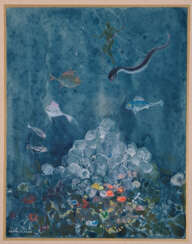

Léon Georges Jean-Baptiste Carré was a French Orientalist painter and illustrator known for his contribution to the Fauvist movement.
Carré's style was characterized by bright colours and bold strokes. He sought to express his emotions and convey the essence of the subject through intense and unnatural colours. Carré's paintings often depicted landscapes, still lifes and portraits.
Léon Carré also experimented with other artistic movements such as Cubism and Post-Impressionism. This allowed him to develop a unique artistic language which combined elements of different currents.
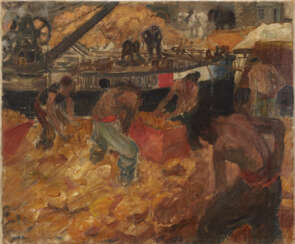

Léon Georges Jean-Baptiste Carré was a French Orientalist painter and illustrator known for his contribution to the Fauvist movement.
Carré's style was characterized by bright colours and bold strokes. He sought to express his emotions and convey the essence of the subject through intense and unnatural colours. Carré's paintings often depicted landscapes, still lifes and portraits.
Léon Carré also experimented with other artistic movements such as Cubism and Post-Impressionism. This allowed him to develop a unique artistic language which combined elements of different currents.
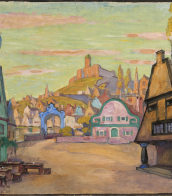


Léon Georges Jean-Baptiste Carré was a French Orientalist painter and illustrator known for his contribution to the Fauvist movement.
Carré's style was characterized by bright colours and bold strokes. He sought to express his emotions and convey the essence of the subject through intense and unnatural colours. Carré's paintings often depicted landscapes, still lifes and portraits.
Léon Carré also experimented with other artistic movements such as Cubism and Post-Impressionism. This allowed him to develop a unique artistic language which combined elements of different currents.


Léon Georges Jean-Baptiste Carré was a French Orientalist painter and illustrator known for his contribution to the Fauvist movement.
Carré's style was characterized by bright colours and bold strokes. He sought to express his emotions and convey the essence of the subject through intense and unnatural colours. Carré's paintings often depicted landscapes, still lifes and portraits.
Léon Carré also experimented with other artistic movements such as Cubism and Post-Impressionism. This allowed him to develop a unique artistic language which combined elements of different currents.


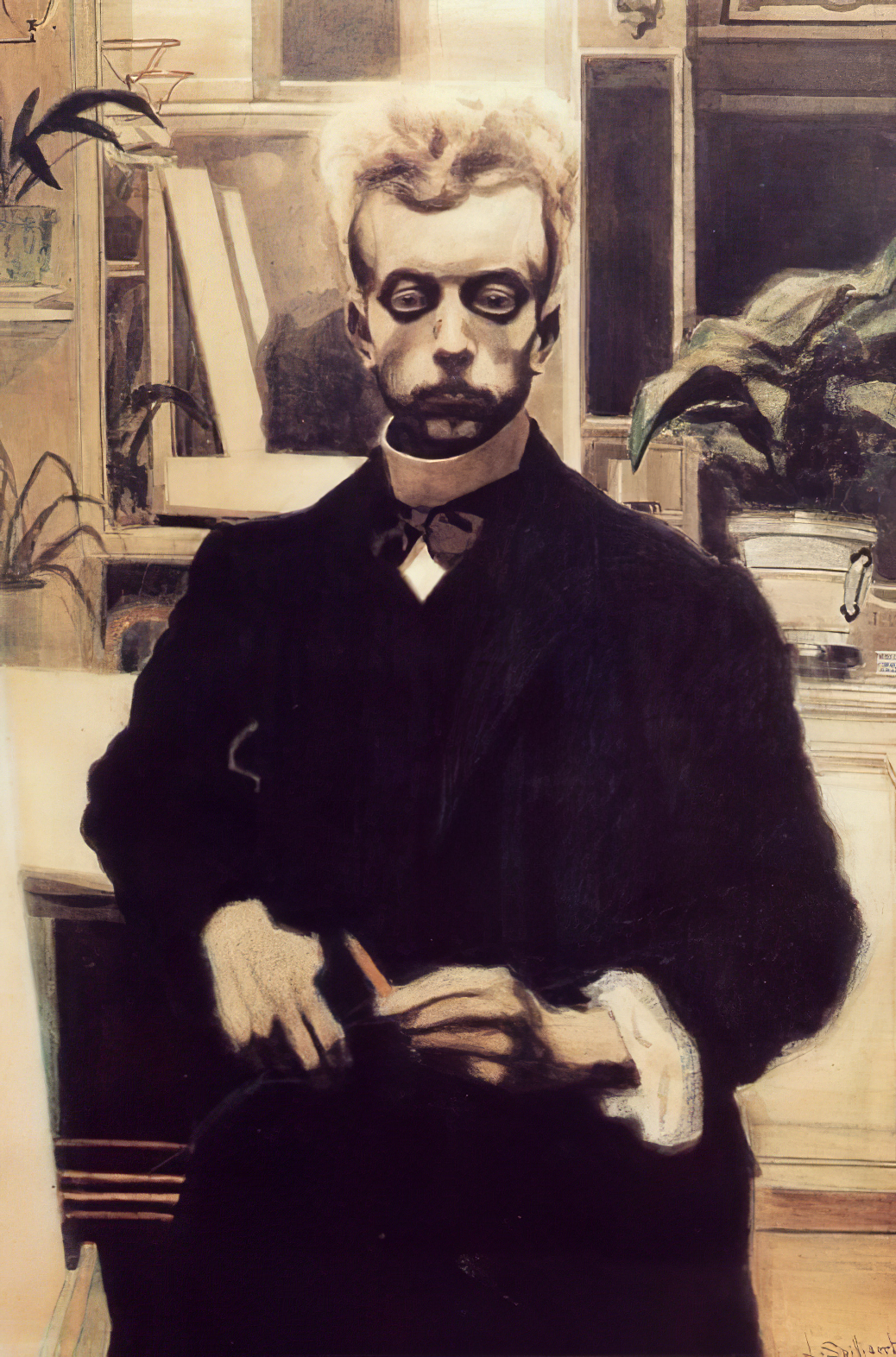
Léon Spilliaert was a Belgian artist. He is known for his unique style of symbolism, with many of his works featuring dream-like landscapes, eerie still lifes, and enigmatic figures.
Spilliaert grew up in a wealthy family, and he initially studied architecture before turning to art. He was largely self-taught, and his work was heavily influenced by the Belgian symbolist movement, as well as the works of artists such as James Ensor and Edvard Munch.
Spilliaert was particularly interested in exploring the mysteries of the human psyche, and many of his works reflect a sense of unease or uncertainty. He often used strong contrasts of light and shadow to create a sense of drama and tension in his works, and his use of color was often muted and subdued.
Despite his success as an artist, Spilliaert was a deeply private individual, and he rarely exhibited his work during his lifetime. He continued to work throughout his life, however, producing a large body of haunting and enigmatic works that continue to captivate audiences today.
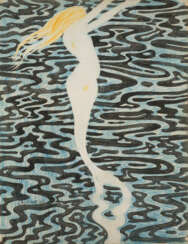

Léon Spilliaert was a Belgian artist. He is known for his unique style of symbolism, with many of his works featuring dream-like landscapes, eerie still lifes, and enigmatic figures.
Spilliaert grew up in a wealthy family, and he initially studied architecture before turning to art. He was largely self-taught, and his work was heavily influenced by the Belgian symbolist movement, as well as the works of artists such as James Ensor and Edvard Munch.
Spilliaert was particularly interested in exploring the mysteries of the human psyche, and many of his works reflect a sense of unease or uncertainty. He often used strong contrasts of light and shadow to create a sense of drama and tension in his works, and his use of color was often muted and subdued.
Despite his success as an artist, Spilliaert was a deeply private individual, and he rarely exhibited his work during his lifetime. He continued to work throughout his life, however, producing a large body of haunting and enigmatic works that continue to captivate audiences today.







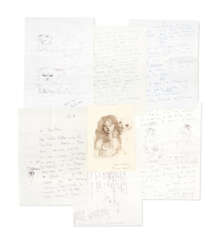

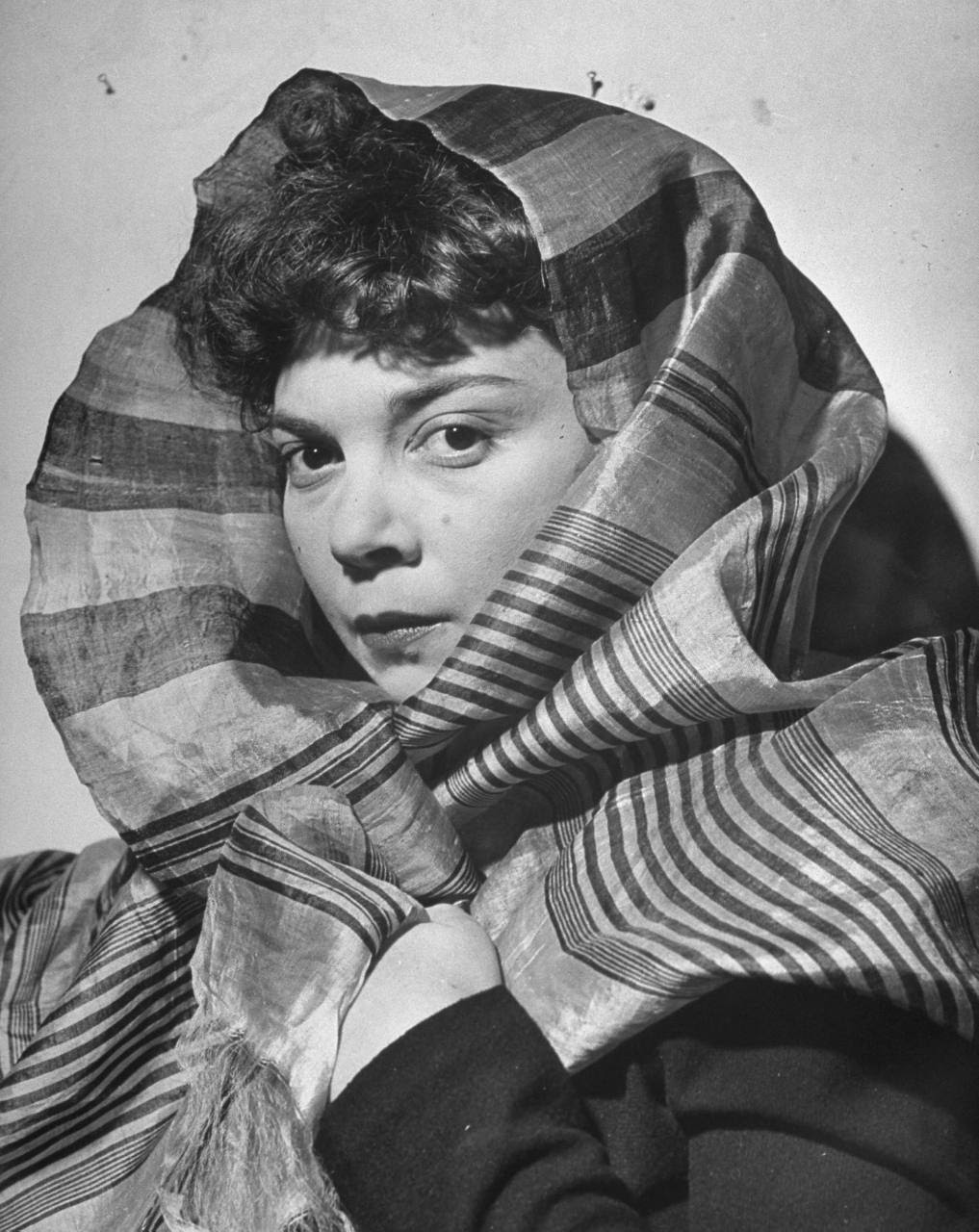
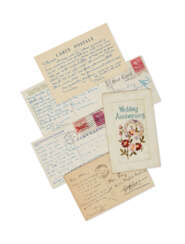
Leonor Fini was an Argentinian born Italian surrealist painter, designer, illustrator, and author, known for her depictions of powerful and erotic women.

.jpg)
Max Ernst was a pivotal figure in the 20th-century art world, whose work transcended the boundaries of nationality and genre to leave an indelible mark on culture, art, sculpture, and painting. Born in Germany on April 2, 1891, and later becoming a naturalized American and French citizen, Ernst's career was a testament to his relentless innovation and creativity. Known primarily as an artist and painter, Ernst was a founding member of the Dada movement in Cologne before becoming a major proponent of Surrealism in Paris. His early encounters with the works of Pablo Picasso, Vincent van Gogh, and Paul Gauguin at the Sonderbund exhibition in 1912 deeply influenced his artistic direction, infusing it with elements of Cubism and Expressionism. Despite his lack of formal artistic training, Ernst's experimentation with techniques such as collage and frottage showcased his unique ability to blend the absurd with the sublime, making him a central figure in the artistic avant-garde of his time.
Ernst's work is notable for its exploration of the unconscious, using dreamlike imagery and symbolic figures to critique societal norms and delve into the chaos of the human psyche. His experiences in World War I profoundly impacted his worldview, leading to a deep skepticism of Western culture and an enduring search for meaning through art. This is evident in works such as "Europe After the Rain II," which reflects the devastation of war and "The Fireside Angel," inspired by the political turmoil of the Spanish Civil War, showcasing his ability to address contemporary issues through a surreal lens.
Ernst's contributions to art are preserved in major museums and galleries worldwide, including the Tate in the United Kingdom and the Museum of Modern Art in New York. His sculptures, paintings, and collages continue to be celebrated for their innovative techniques and imaginative scope, marking him as a revolutionary figure in modern art. Among his most significant works are "Ubu Imperator," "The Elephant Celebes," and "The Virgin Spanking the Christ Child before Three Witnesses," each reflecting his mastery over a diversity of mediums and themes.
For collectors and experts in art and antiques, Max Ernst remains a symbol of artistic freedom and exploration. His ability to navigate through various artistic movements while maintaining a distinct, innovative voice is a testament to his enduring legacy in the art world. To stay updated on new product sales and auction events related to Max Ernst, signing up for updates is a valuable opportunity for those deeply invested in the nuances of modern and surreal art.
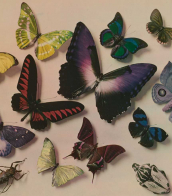


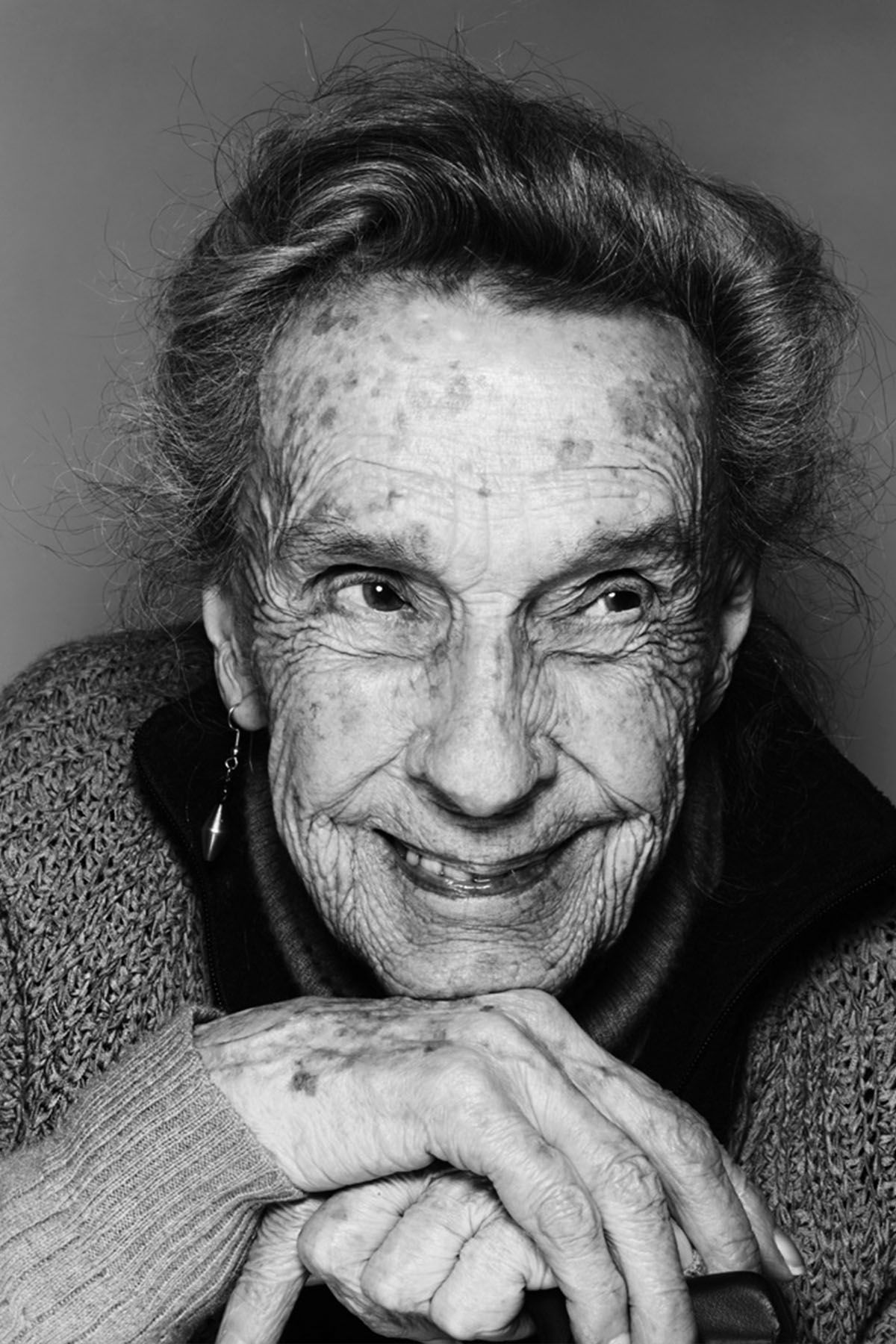
Leonora Carrington was a British-born Mexican artist, surrealist painter, and novelist. She lived most of her adult life in Mexico City and was one of the last surviving participants in the surrealist movement of the 1930s. Carrington was also a founding member of the women's liberation movement in Mexico during the 1970s.
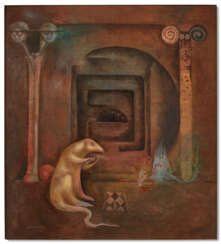

Leonora Carrington was a British-born Mexican artist, surrealist painter, and novelist. She lived most of her adult life in Mexico City and was one of the last surviving participants in the surrealist movement of the 1930s. Carrington was also a founding member of the women's liberation movement in Mexico during the 1970s.
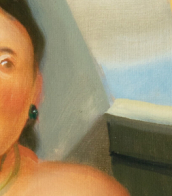


Leonora Carrington was a British-born Mexican artist, surrealist painter, and novelist. She lived most of her adult life in Mexico City and was one of the last surviving participants in the surrealist movement of the 1930s. Carrington was also a founding member of the women's liberation movement in Mexico during the 1970s.
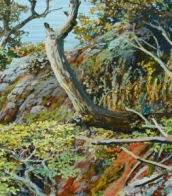


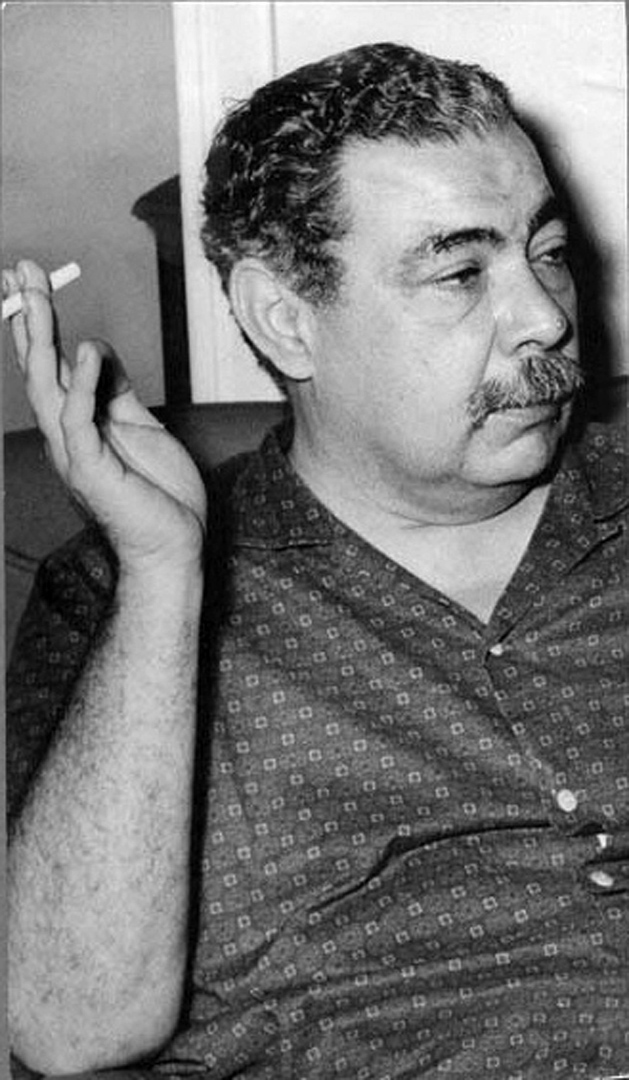







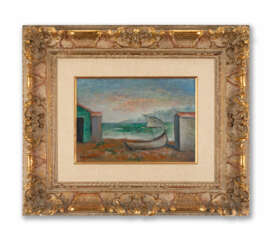




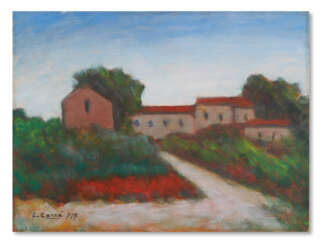

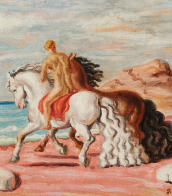
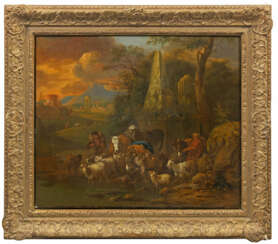

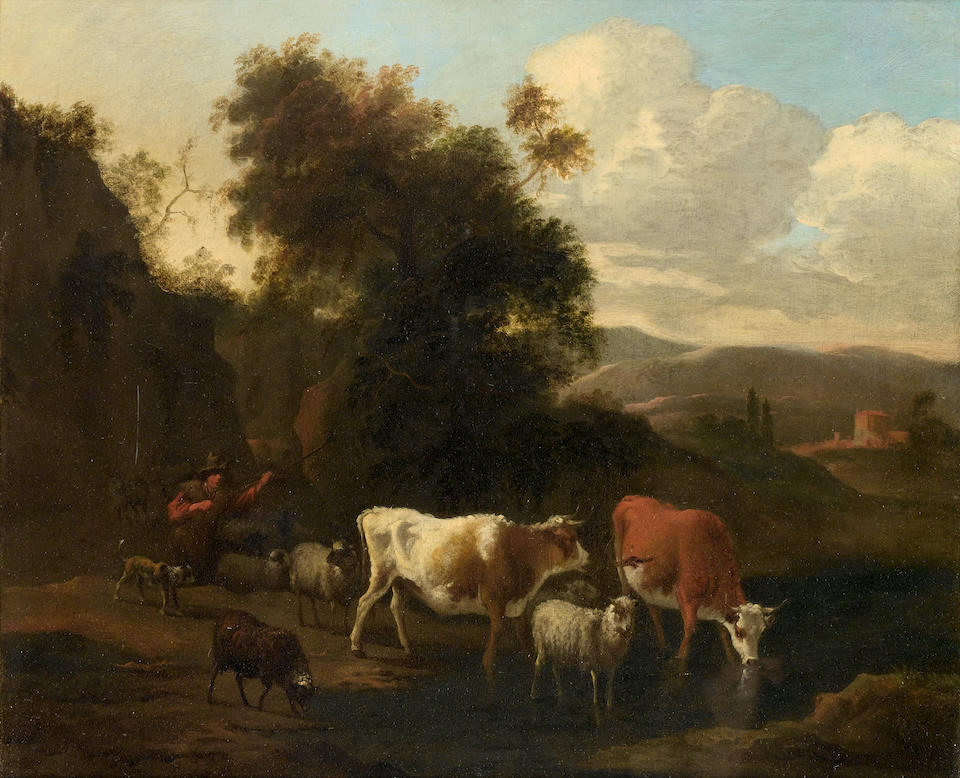
Michiel Carree of Karé was a Dutch painter and decorator of the Golden Age.
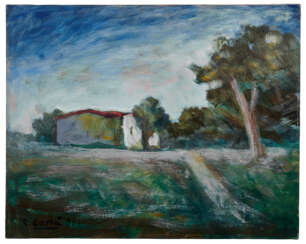
Carree was a famous landscape painter: King Frederick of Prussia invited him to Berlin and appointed him court painter. After the king's death, he returned to Holland and was mainly engaged in decorating the palaces of the noble townspeople. Carrée often depicted livestock in his landscapes, and these paintings can now be seen in the Rotterdam Museum.